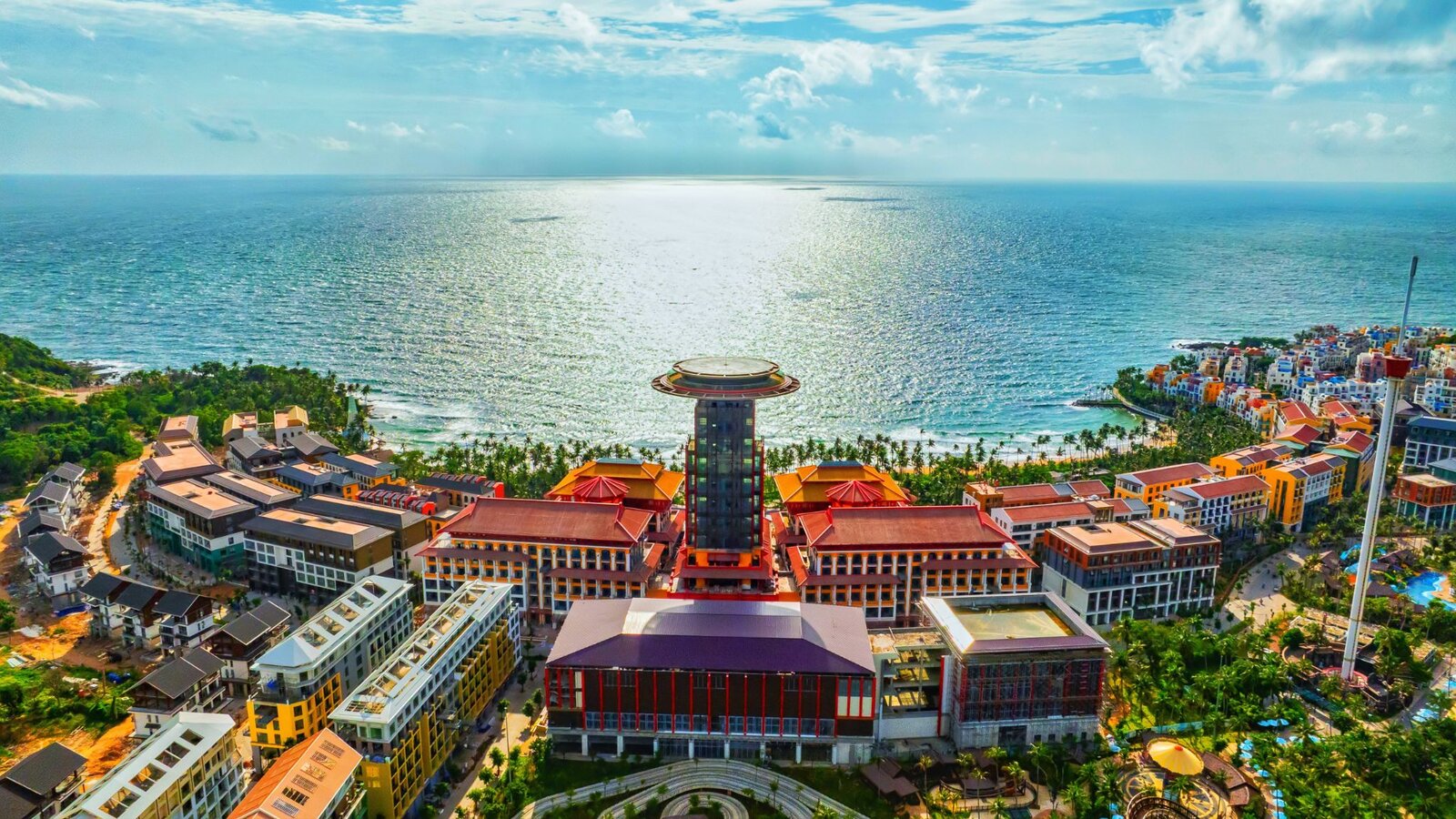
On January 28, the Phu Quoc Special Administrative Zone People’s Committee and Sun Group officially commenced construction of the Bai Dat Do (Ruby Beach) Mixed-Use Urban Area and Ong Quan Mountain Eco-Tourism Mixed-Use Urban Area – two of the 21 approved APEC projects. Together, these projects will add approximately 12,000 hotel rooms, serviced apartments, shopping centers, and international-standard landscapes, establishing world-class hospitality infrastructure capable of meeting the stringent requirements of high-level diplomatic events at APEC 2027. They will also shape a new urban and commercial landscape for Phu Quoc.
The Bai Dat Do (Ruby Beach) Mixed-Use Urban Area spans 88.4 hectares with a total investment of roughly VND 64,000 billion, developed along the APEC Avenue axis. Positioned in a rare “diamond” location adjacent to the APEC Conference Center and near Sunset Town, the project promises an accommodation complex of unprecedented scale, targeted for completion within just 18 months.
The development unveils an extraordinary new landmark in luxury accommodation, set to reach completion in a mere 18 months.
Within 18 months, this development will raise Phu Quoc’s luxury accommodation stock to around 16,500 rooms – nearly double the number of 5-star rooms developed over the past 15 years. It is considered a transformative boost in high-end hospitality infrastructure, ensuring capacity to host at least 12,000 to 15,000 international delegates, including dignitaries, corporate leaders, and press.
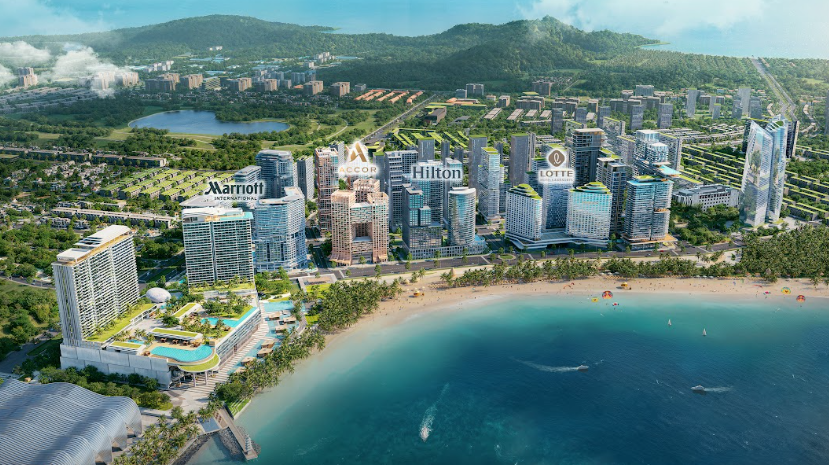
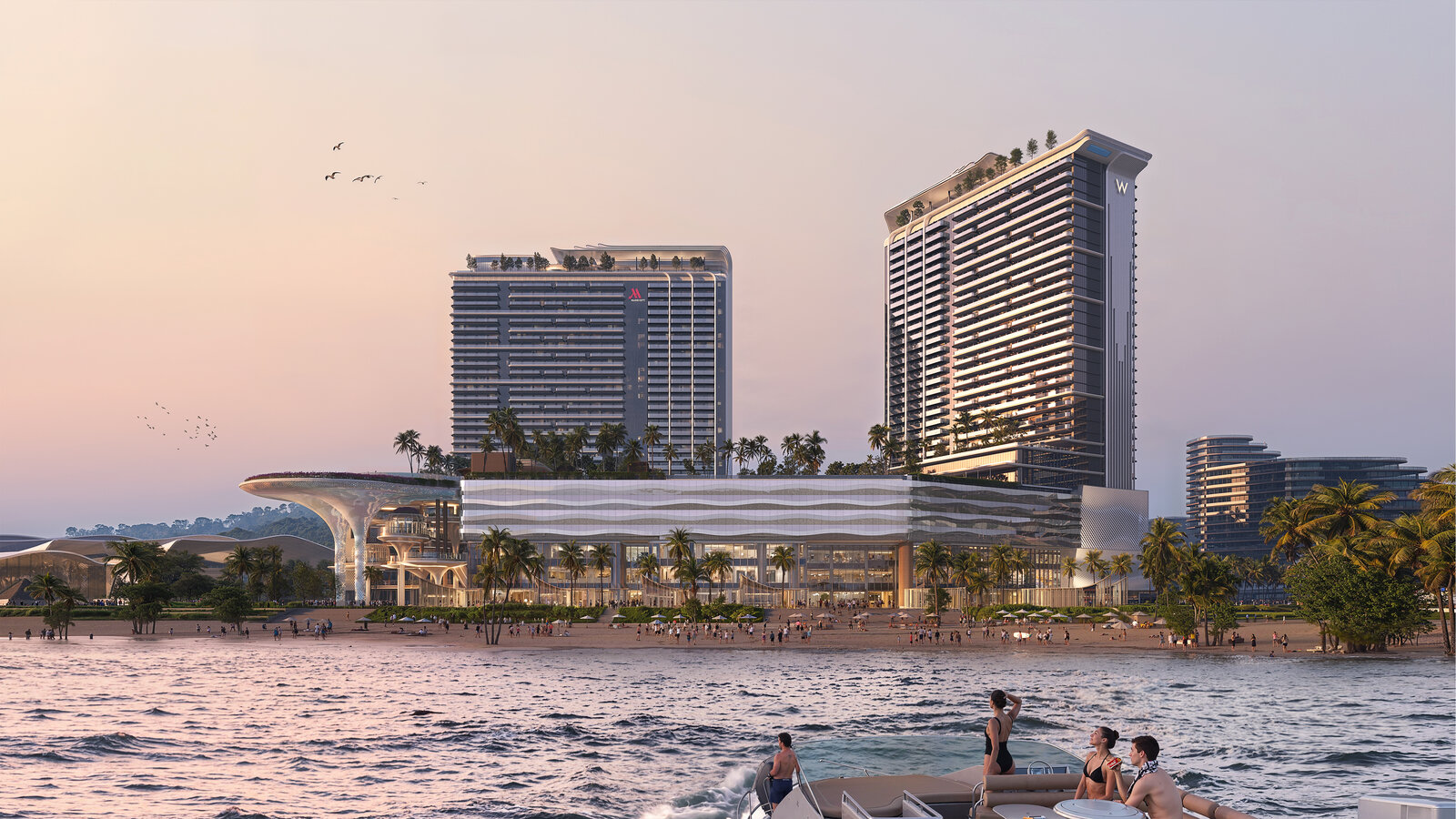
Bai Dat Do (Ruby Beach) Mixed-Use Urban Area will become a coastal “hotel city,” fully integrating accommodation, commerce, services, tourism, and luxury hotels, supported by synchronized social and technical infrastructure. In addition to 15 high-rise beachfront hotels with nearly 6,500 5-star rooms, the project will feature towers up to 40 stories, integrating luxury hotels, shopping centers, and a seaside plaza, forming a rare, concentrated hospitality complex.
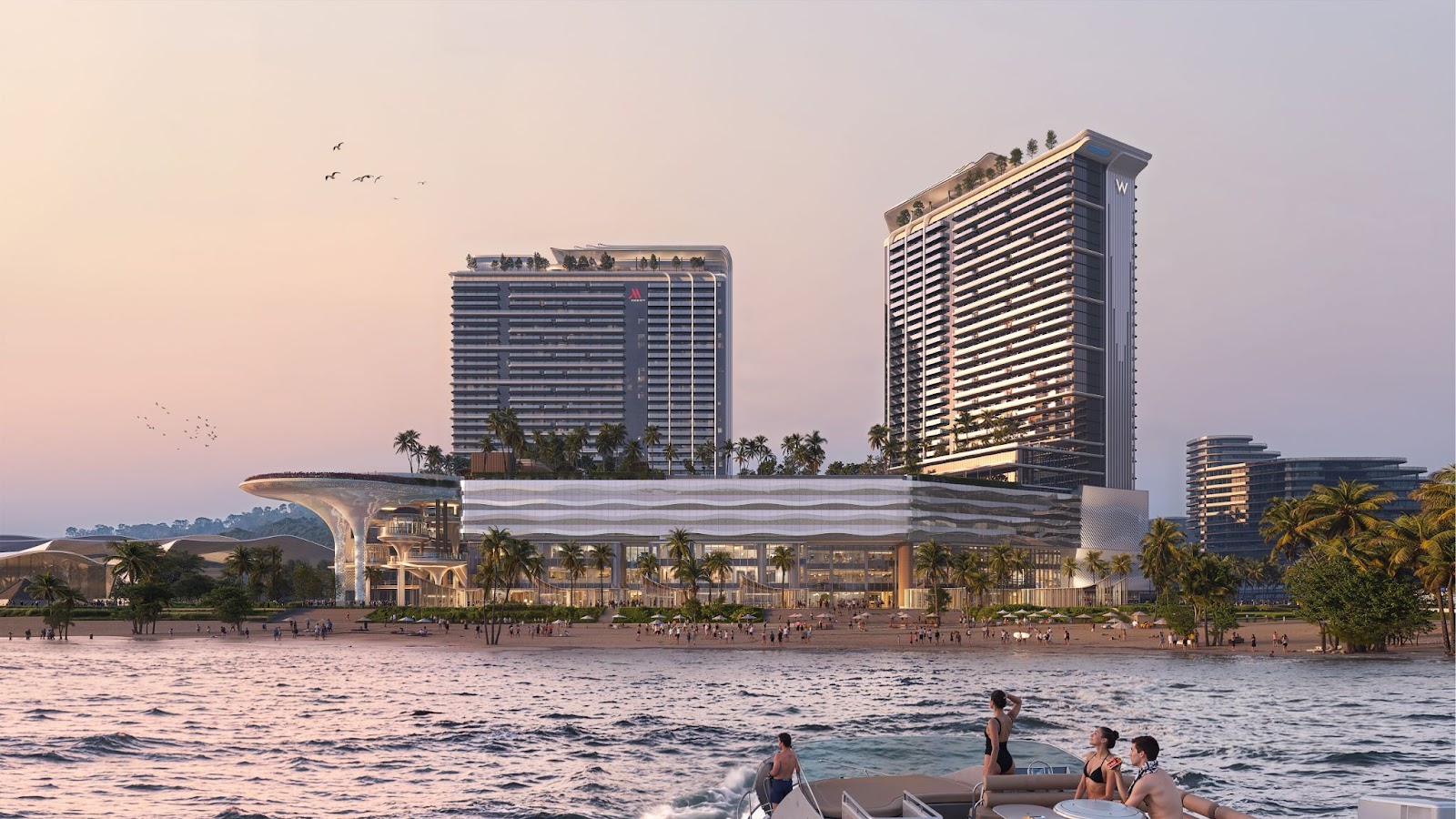
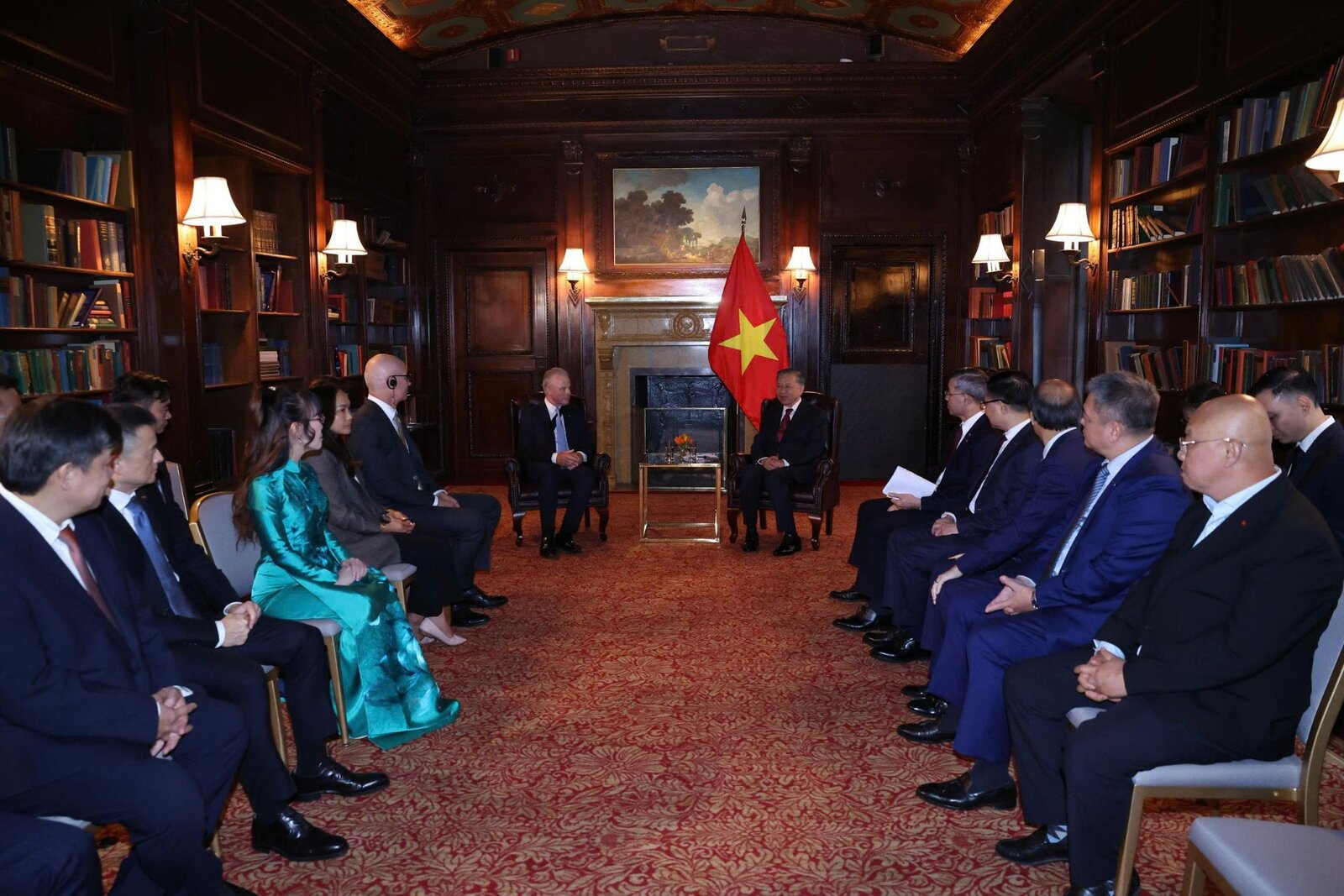
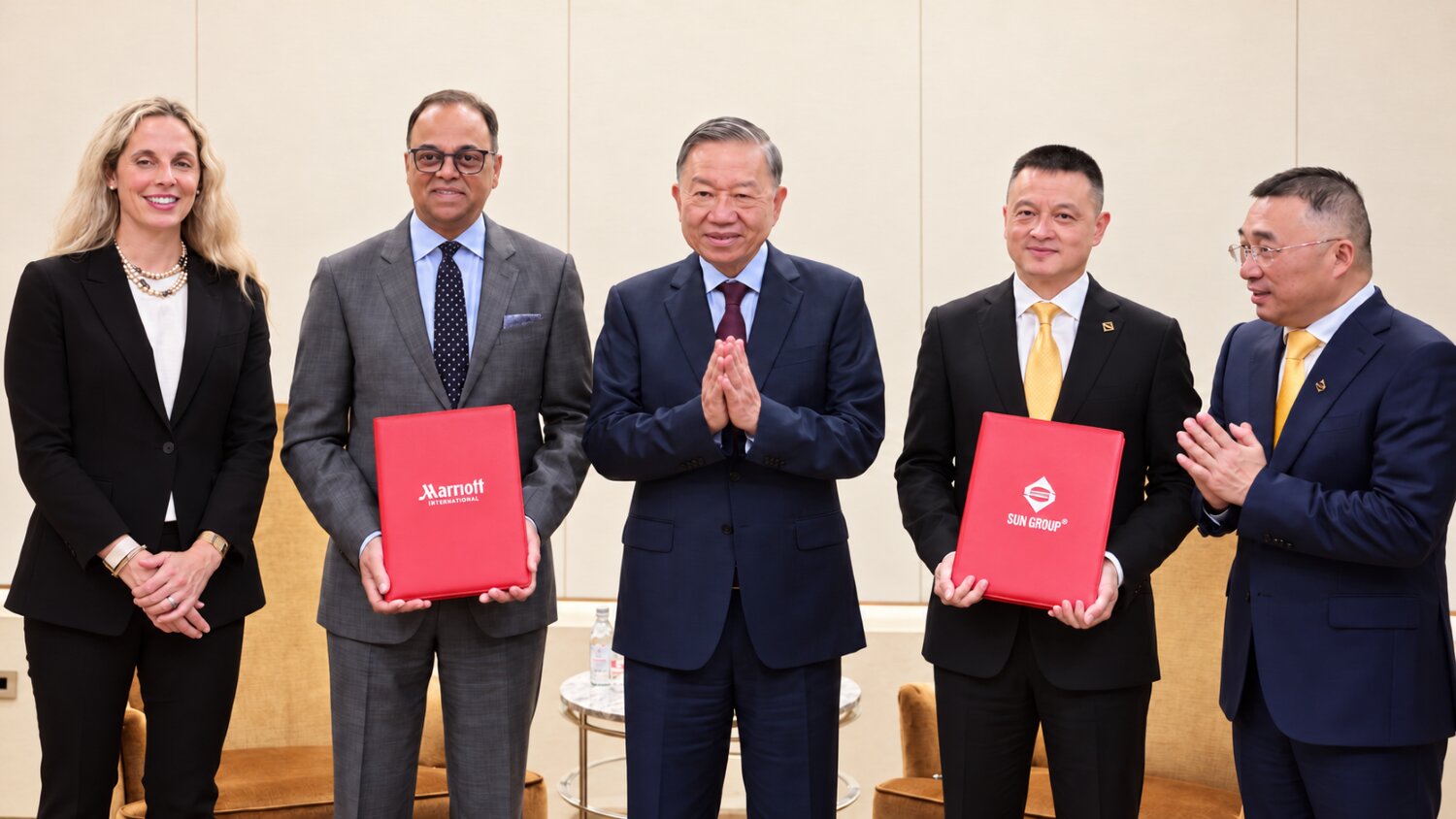
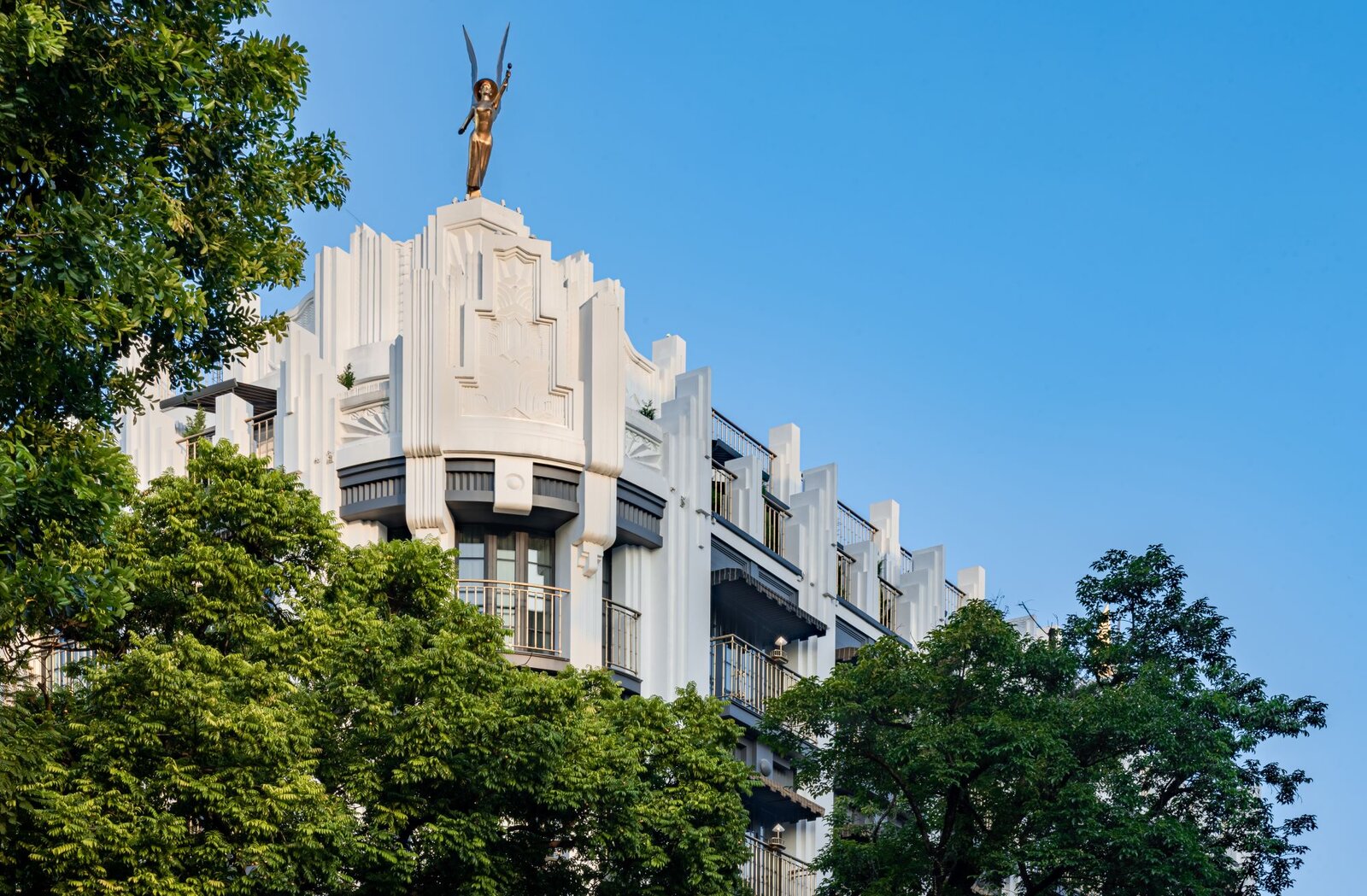
The project’s uniqueness lies in its international brand and partner ecosystem, with many luxury brands debuting in Vietnam. It brings together world-class architecture firms such as SOM, KPF, Aedas, and Milou, alongside prestigious hotel operators including Marriott International, Accor, Hilton, and Lotte.
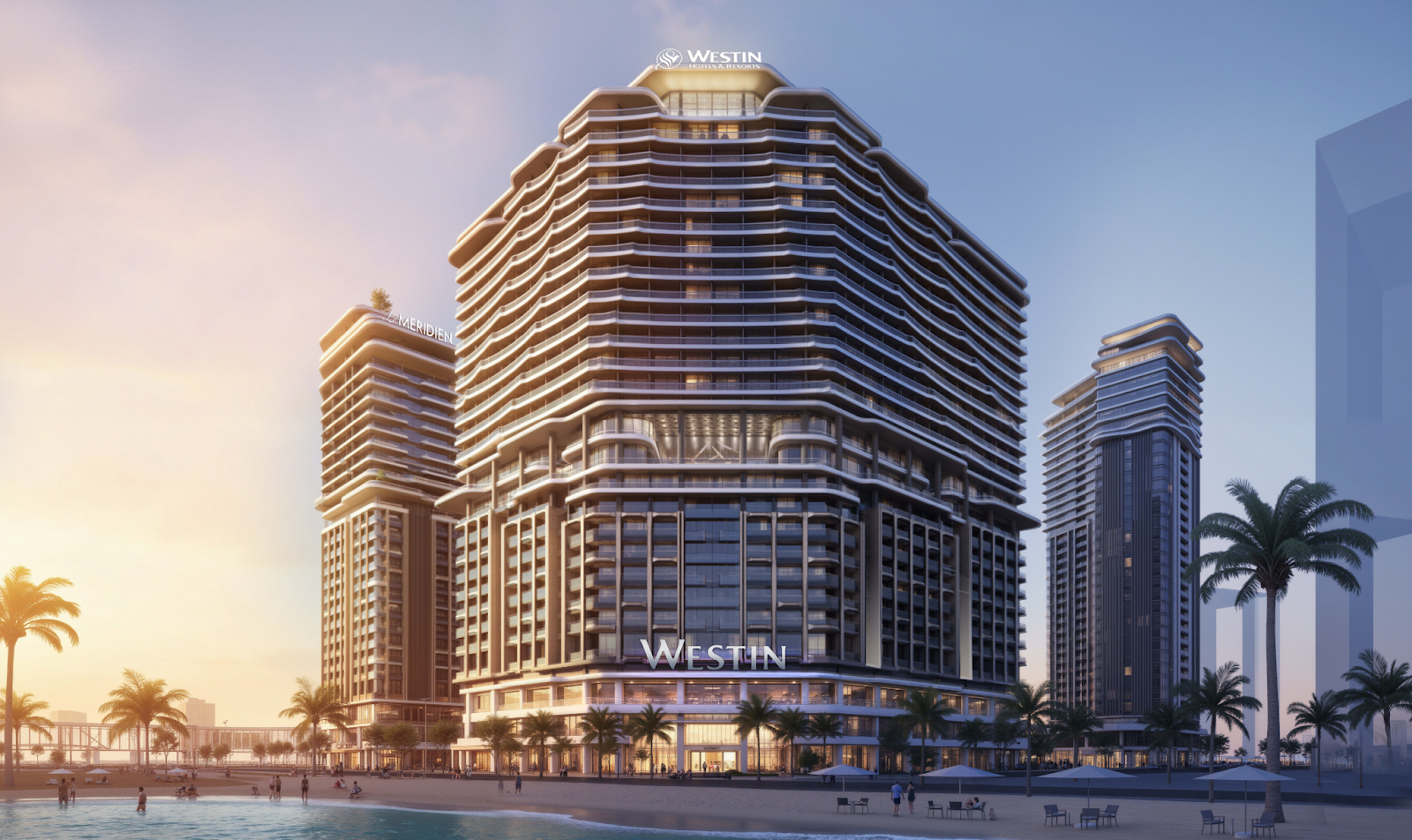
Marriott International plans to introduce high-end brands such as W Hotels – a symbol of contemporary lifestyle and bold design; Marriott Hotels – catering to MICE and political-diplomatic events; Westin – focusing on comprehensive wellness; Le Méridien – inspired by art and culture; and Courtyard by Marriott – for flexible stays for conference groups.
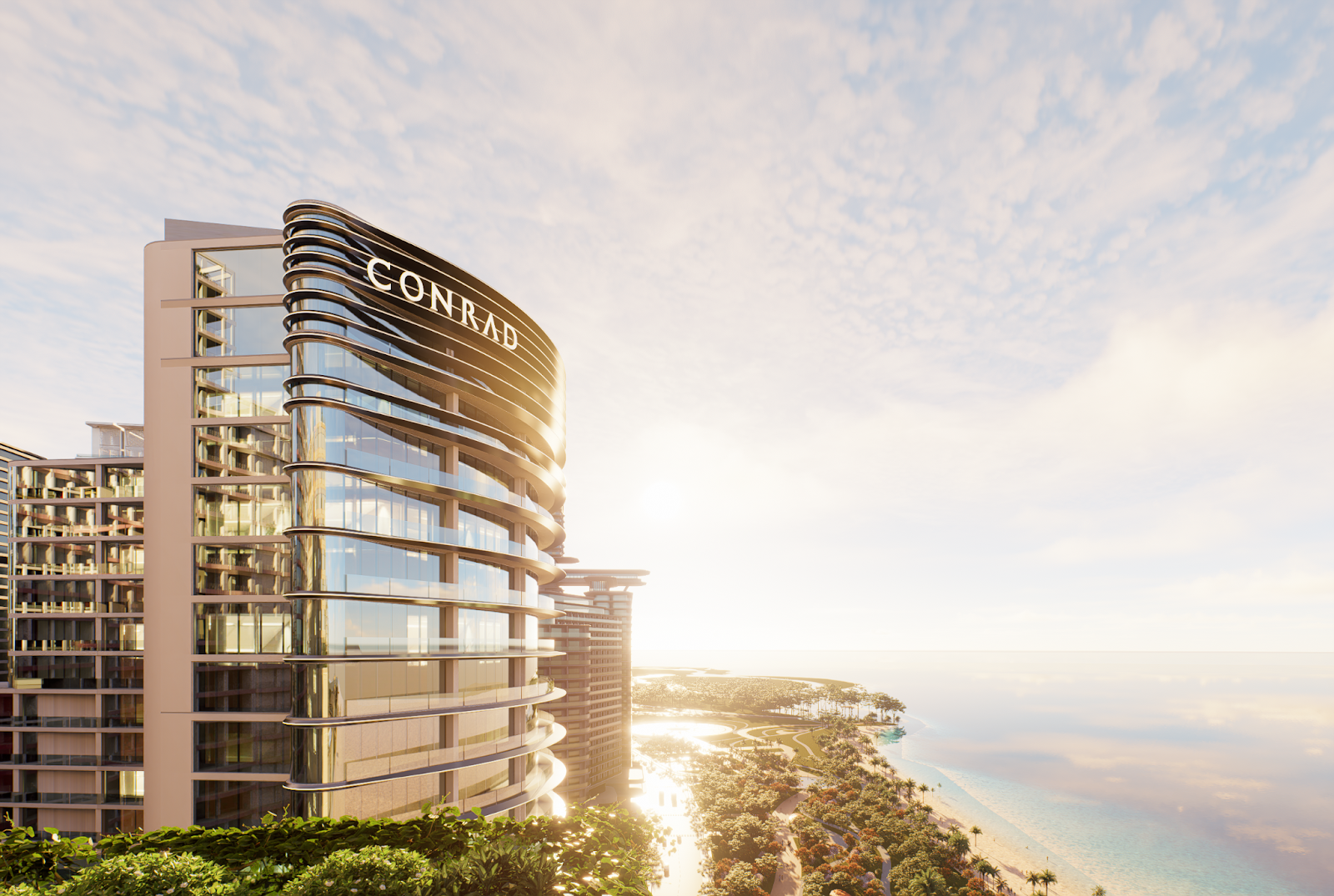
Hilton Worldwide will appear with Hilton, DoubleTree by Hilton, and Conrad Hotels & Resorts debuting in Vietnam, targeting top-level executives and VIP guests. Accor’s brands, including SO – fashion-inspired hotels, MGallery, and Grand Mercure, will blend international standards with local identity to meet diverse accommodation needs for APEC.
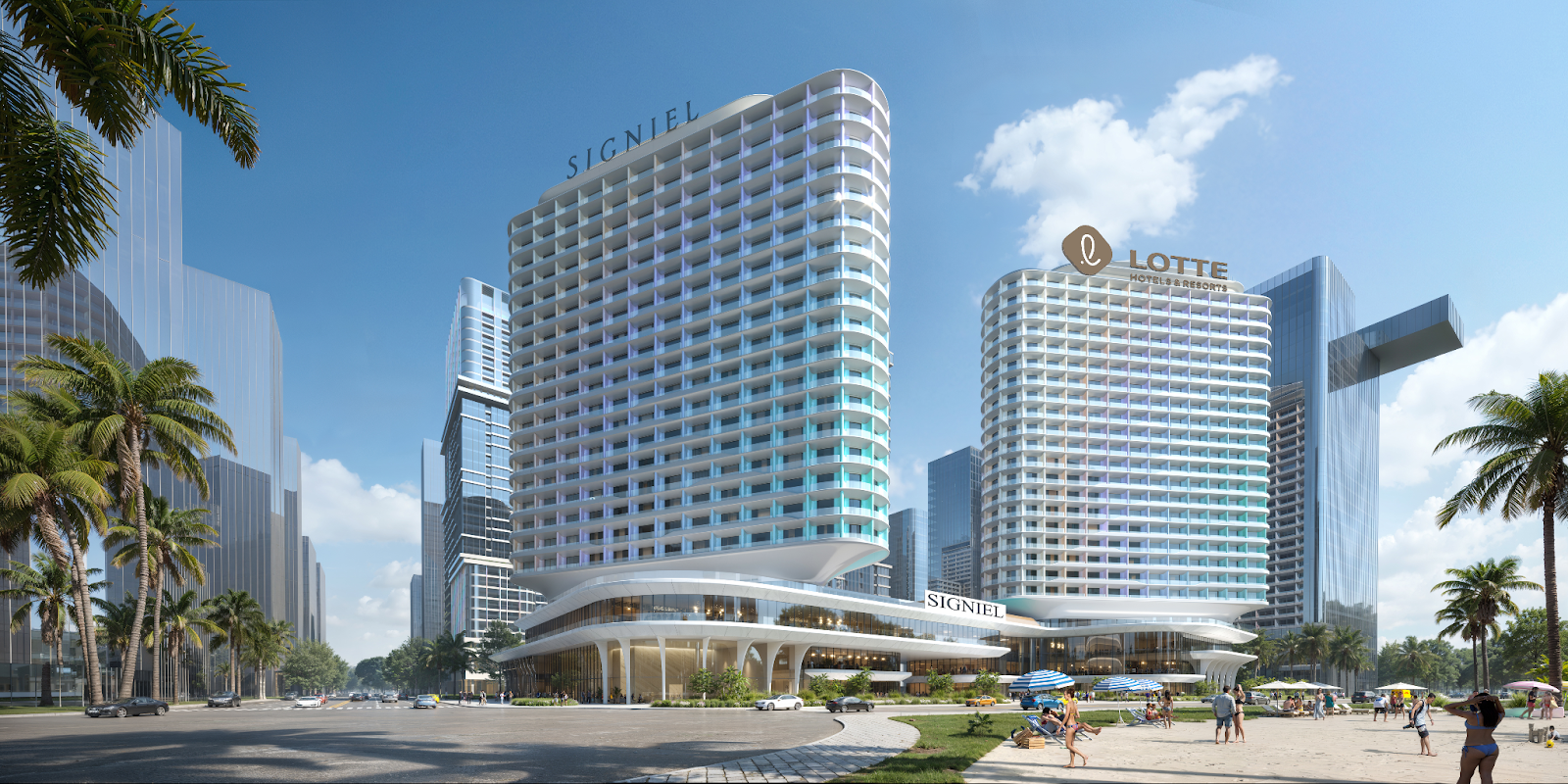
The highlight is the 136,000 m² shopping center operated by Lotte, one of Vietnam’s largest, forming a key commerce-entertainment axis in the area. All brands are linked to iconic global projects and events, reflecting the investment scale and ambition to establish world-class hospitality standards in Phu Quoc.
Sun Group’s commitment to complete a hotel city of unprecedented scale in just 18 months demonstrates its capability – a brand recognized for rapidly delivering internationally standard projects. From Van Don International Airport, Vietnam’s first private airport, to the record-holding Fansipan cable car, and large-scale tourism-infrastructure complexes nationwide, Sun Group has proven its ability to manage complex projects requiring the highest technical standards and schedules. This foundation ensures confidence in completing APEC 2027 projects on time, leaving a lasting tourism and infrastructure legacy for Phu Quoc.
Beyond serving a single event, the Bai Dat Do (Ruby Beach) hotel city reflects Sun Group’s long-term vision for Phu Quoc, creating a sustainable ecosystem of accommodation, conference, and high-end service infrastructure. Upon completion, it promises an iconic spatial axis akin to the Champs-Élysées – over 300 years old – serving not only as a luxury tourism and accommodation destination but also as a venue for significant cultural, political, and social events, shaping and projecting Vietnam’s national image globally.